.svg)

.svg) SEARCH
SEARCHAgrícola Chaparral, part of Grupo Chaparral, is a leading agricultural operation in Mexico with a legacy dating back to the 1960s. Specializing in tomatoes, bell peppers, and hot peppers, the company operates three units that set an international benchmark for productivity, quality, safety, and social responsibility.
Late blight, a fungal disease caused by Oomycete phytophthora infestans, poses a significant threat to tomato production in Sinaloa, Mexico. Favorable weather conditions for the disease’s development make it especially difficult for farmers to manage. Without access to real-time data, many growers, including Chaparral, rely heavily on reactive measures like regular fungicide applications, which often led to inefficiencies and higher costs.

COST SAVINGS:
Proactive measures helped save approximately USD 500 to USD 750 per hectare in machinery, labor, and agrochemical costs. This is not including the cost due to potential loss of tomato production.
Helping growers to monitor environmental conditions
Late blight affects a wide range of crops and it is a serious threat for tomatoes. Many farmers lack access to digital solutions that can help them monitor environmental conditions and act before the disease takes hold. Without these insights, growers face significant risks, often reacting too late to prevent damage.
Why prevention is key
Preventing late blight is far more cost-effective than treating it. Without access to real-time climate data and advanced crop management tools, farmers often face higher costs and environmental impacts from reactive chemical use.
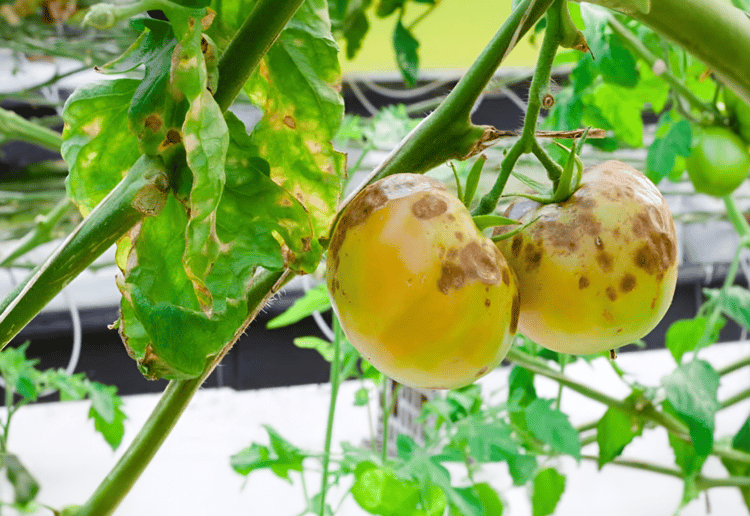
Late blights on tomato crops
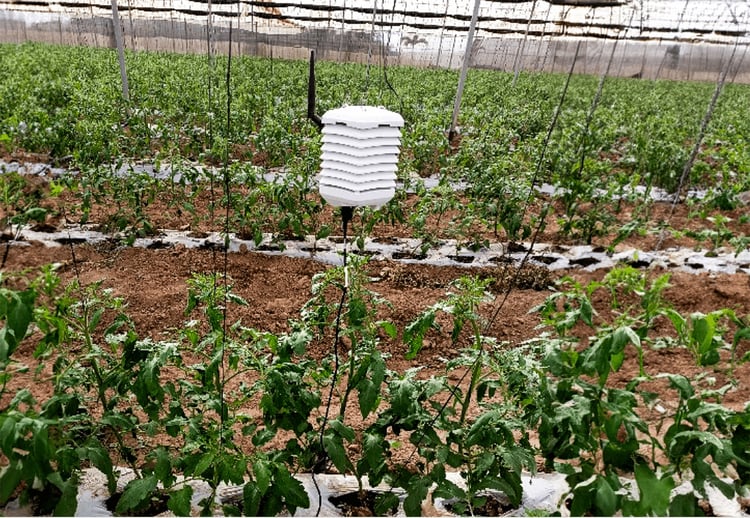
The FarmRoad solution on the farm
Partnering with a digital agronomy industry leader
By installing FarmRoad, Agrícola Chaparral received alerts when the ideal conditions for Late Blight infection presented itself. This allowed the team to take action before the disease could spread. Engineer José Luis Noris, Head of Pests and Diseases at Chaparral, applied agrochemicals earlier than usual based on FarmRoad’s alerts, effectively preventing the disease.

Analysis in FarmRoad showing correlating parameters (temperature and RH) which form the ideal climate for the development of the disease.
Key actions based on data insights:
- Applied preventive fungicides before the disease could take hold.
- Plant pruning to enhance air circulation and reduce the spread of pathogens.
- Implemented early agrochemical applications, minimizing the environmental and health impact.
A successful partnership
WayBeyond’s ongoing partnership with Agrícola Chaparral was instrumental in the success of this project. Regular training, and continuous support helped Jose Luis and the Chaparral team get the most value from FarmRoad, improving their crop management practices.
Key benefits of adopting FarmRoad’s crop
management solution:
Cost Savings: Proactive prevention led to reduced disease treatment costs.
Environmental Protection: Reduced use of agrochemicals, protecting both the environment and farm personnel.
Increased Efficiency: Real-time climate data allowed for better resource allocation and decision-making.
Disease Prevention: FarmRoad’s alerts helped prevent a potential late blight outbreak, safeguarding crop quality and yield.
Agrícola Chaparral’s success in preventing late blight and reducing costs demonstrates the transformative power of digital agronomy solutions like FarmRoad. By leveraging real-time data, the farm enhanced crop management practices, protected both environmental and human health, and significantly optimized its use of resources.

.png?width=352&name=FarmRoad%20Agronomy%20Intelligence%20press%20release%20image_final%20(1).png)



.svg)

.svg)