.svg)

.svg) SEARCH
SEARCHGrowers and farmers have 5 main types of risks to manage: financial risks, legal risks, health and safety risks, market and economic risks, and crop production risks. While crop insurance provides financial protection for machinery, land, and livestock, it cannot prevent losses. Effective risk management requires early identification of threats and proactive response strategies.
What crop production risks do growers have to manage?
Identifying and managing risks is an essential part of day-to-day life for growers and farmers. The crop production risks they need to identify are:
- Extreme climate and weather events such as excessive rainfall, high winds or high temperatures causing plant stress.
- Pests and plant diseases including botrytis (gray mold) and powdery mildew. These can also cause significant crop losses, with up to 40% of food crops globally lost due to plant pests and diseases each year.
What should growers do to mitigate crop risks?
There are strategic actions growers can take to mitigate overall crop risks. This includes crop diversification by growing a variety of crops across their farms and also planting as many disease-resistant varieties as possible.
However, unpredictable events impacting crop health such as pests, diseases and weather conditions such as frost cannot always be planned for, so growers have to manage these risks as soon as possible to minimize crop loss.
Why do growers need early alerts for crop risks?
If growers can receive alert information on risks to their crops early enough, such as through weather early warning systems, then they can look at ways to protect vulnerable crops ahead of extreme weather hitting, or they can mitigate diseases or pests before damage really sets in. This means growers can take proactive measures resulting in less crop loss, and increase their control over outcomes during the crop growing cycles.
How can growers use technology to be alerted to crop risks?
Traditionally growers have needed technology like local sensors or weather stations in their fields to provide data on potential risks to their crops. But now tools like GrowPilot, powered by data from low-Earth orbit satellites and advanced AI models, can deliver local forecasts and predictive alerts for open field growers before risks hit.
GrowPilot delivers field-specific insights for crops including risk alerts for:
- excessive rainfall
- high winds
- high temperatures causing plant stress
- frost
- botrytis (gray mold)
- powdery mildew
Receiving these risk alerts early gives growers time to take action and minimize damage to crops. These actions can vary depending on the weather event or type of pest or crop disease.
What actions can growers take to manage frost risks?
Once alerted to frost conditions, growers can use overhead irrigation, wind machines or fans to mix warmer air from higher altitudes with the colder air at the ground level, or use burners or other heaters to raise the ambient air temperature.
Example: How real-time alerts helped a berry grower beat the heat
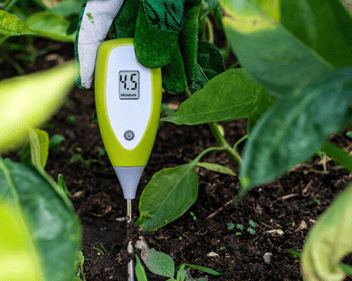
One berry grower in New Zealand relied on real-time plant health and climate alerts to stay ahead of heat stress. When plant temperatures spiked during peak summer, the alerts provided the team with early warnings, allowing them to adjust greenhouse vents and apply whitewash before heat damage could occur. These proactive measures kept temperatures under control, reduced heat stress, and maintained optimal growing conditions for their crops.
.jpg?width=2000&height=1500&name=Season%20Farms%20plant%20temperature%20sensor%20on%20berry%20crops%20(1).jpg)
What actions can growers take to manage botrytis and powdery mildew risks?
Once alerted, growers can manage boytritis, by reducing relative humidity immediately, drying the crops or applying preventative fungicides.
Powdery mildew can be managed with good air circulation, proper watering (avoiding foliage), and organic treatments like horticultural oils or fungicides.
What actions can growers take to manage heat stress risks?
To manage heat stress growers can implement consistent, deep watering in early mornings or evenings, apply organic mulch to cool soil, and using shading during peak sun times.
.jpg?width=2000&height=1500&name=African%20Blue%20frost%20mitigation%20(1).jpg)
Example: How African Blue mitigated crop loss with proactive alerts
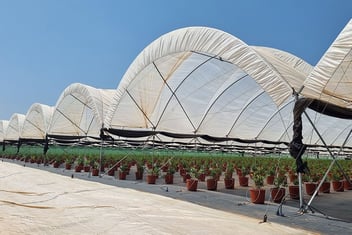
African Blue, Morocco's largest blueberry grower, used real-time climate insights and alerts to manage frost risk across nine farms. When frost conditions were imminent, automatic alerts gave the grower enough time to respond, such as deploying heaters in affected greenhouses, without needing to travel on site to manually check temperatures. This proactive approach resulted in a dramatic reduction in crop loss and more efficient use of staff time, fuel, and resources.
What if you could predict crop damage 48 hours before it happens? Start your free trial of GrowPilot today to increase crop health and reduce your crop losses.



.svg)

.svg)