07.12.2025 | 3 min read

How Climate Insight Levels the Protected Cropping Field

By Daniel Than, Customer Success Director at WayBeyond

An experienced grower once told me: "The moment you start having plant stress, you start to have a negative impact on your production. You're going to pay for that damage in some way, and it's going to affect you long term.”

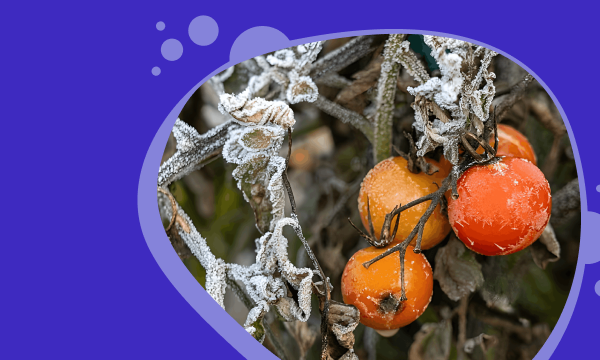
Growers know that achieving the best production depends on managing climate conditions. When temperature, humidity, and other environmental factors stay within the ideal range, plants can grow and produce at their full capacity. But when conditions shift, even briefly, plants can experience stress and their potential is greatly reduced.

So how can protected cropping growers control their growing environment to maximize crop potential—especially in harsher, more volatile conditions driven by climate change?

From high-tech to hands-on climate control

A big part of the equation comes down to infrastructure. Globally, there has been an increase in high-tech greenhouses equipped with automated systems for venting, shading, heating and even CO₂ dosing, creating optimal growing conditions year-round. For producers of high-value crops or those operating in extreme climates, this level of control helps maintain yield and crop quality regardless of external conditions.

But these high-tech solutions are not always practical or feasible for everyone. They are capital-intensive, energy-demanding, and complex to manage. Growers need to carefully weigh the cost of investment against the potential returns in production.

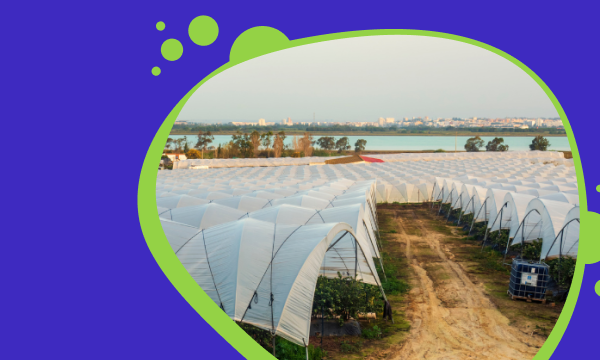
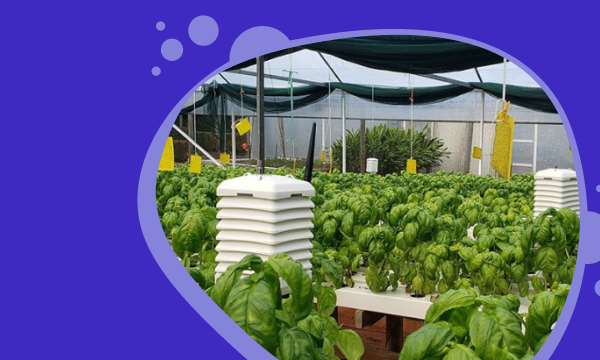
A number of growers across the world have migrated to using low- to mid-tech structures—polytunnels, hoop houses, semi-enclosed greenhouses—that protect crops from adverse weather and pests but offer limited environmental control. When conditions shift, farmers adjust the growing environment manually, opening vents, pulling shade cloth, or turning on misters.

Many growers simply accept these manual limitations and, as a result, do little to mitigate the impact of extreme weather events. Climate is rarely monitored, and even when growers have data, they often lack the time or clarity to act before stressors affect long-term crop health. 

But this doesn’t have to be the reality. We’ve seen growers bridge this gap—not with automation, but with actionable climate insights.

Bridging the gap: A case from Northern Morocco

The severe heatwaves that swept across Northern Morocco this past summer exposed how vulnerable many farms are to climate stress. One berry grower we worked with, however, was able to react in time to protect both their high-value crops and their profits.

Their advantage wasn’t a multimillion-dollar greenhouse—it was actionable data.

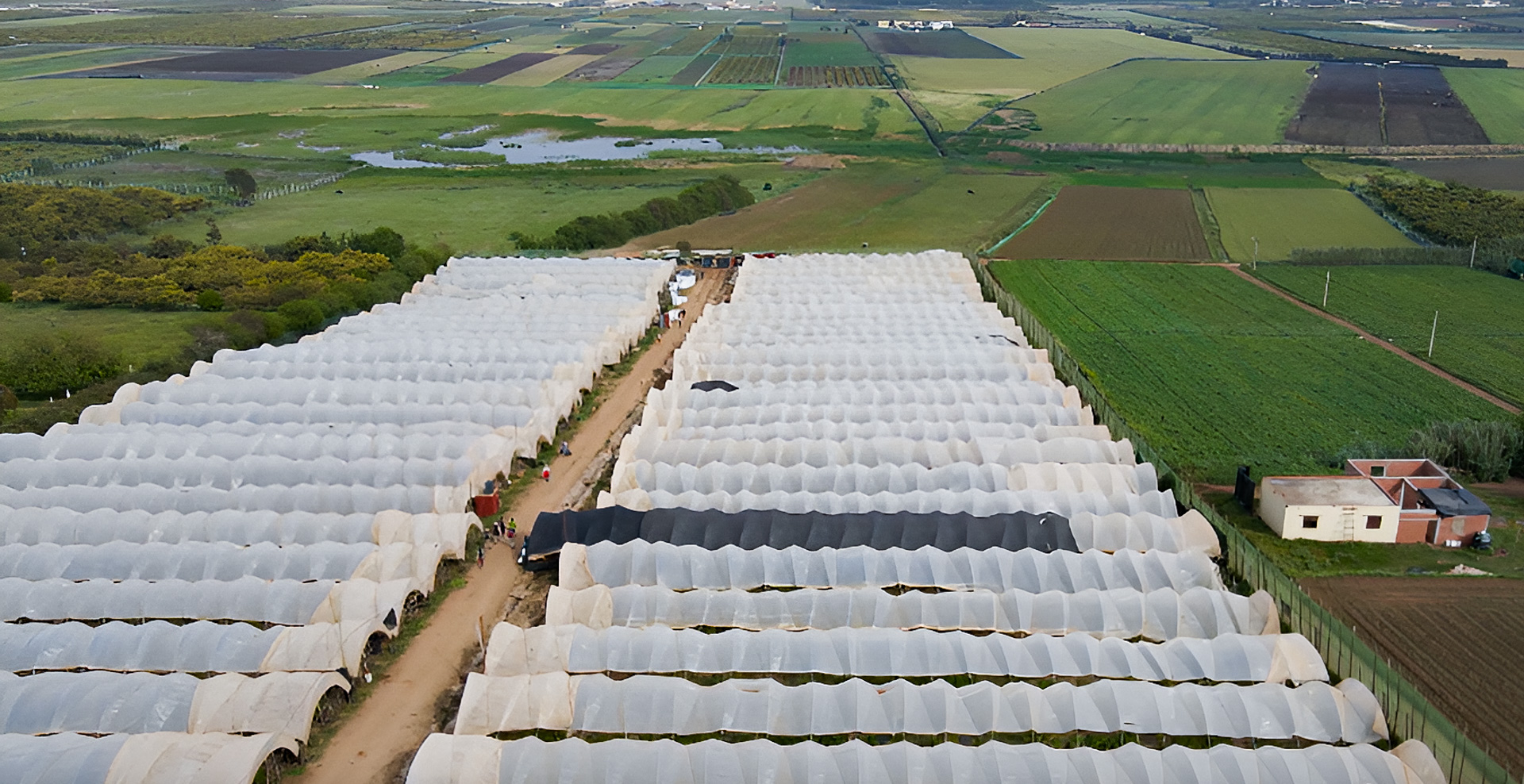
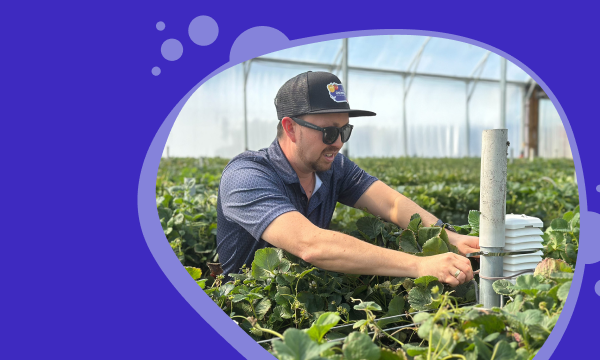
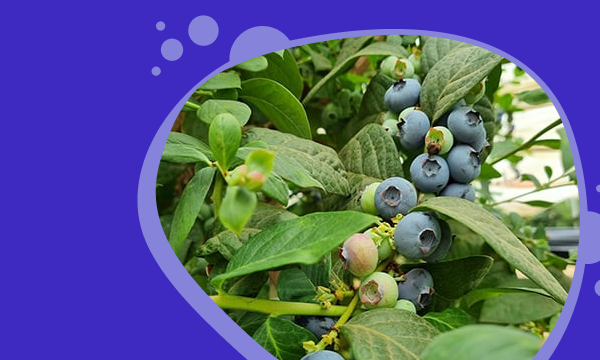
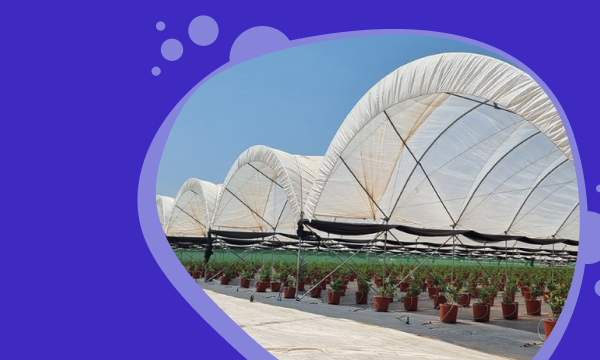
BearBerries Farm-3

Berry farm in Agadir, Morocco

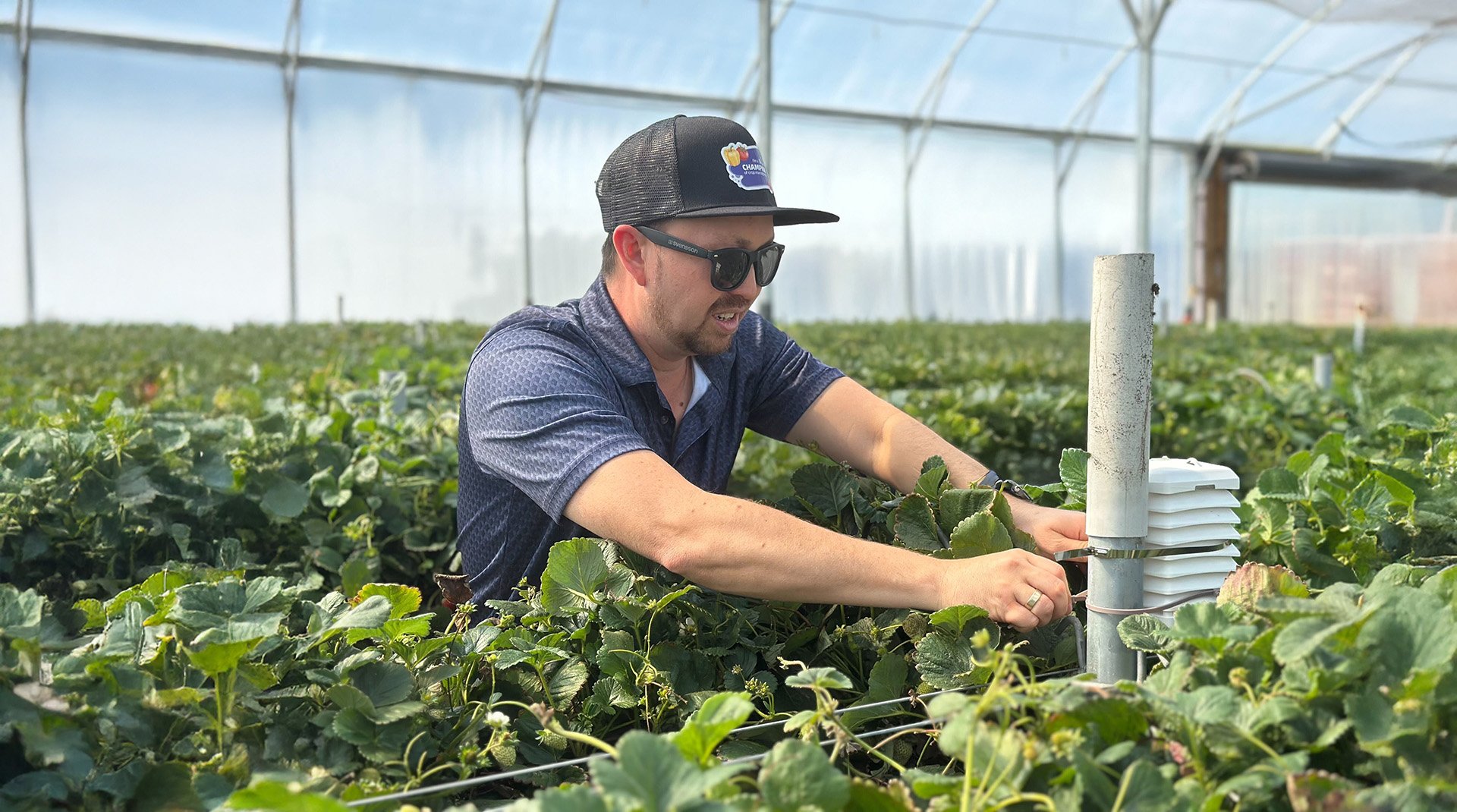
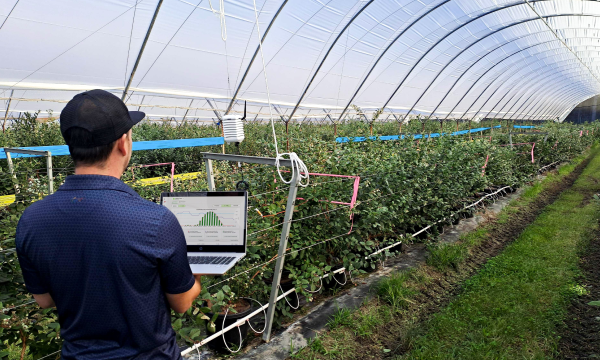
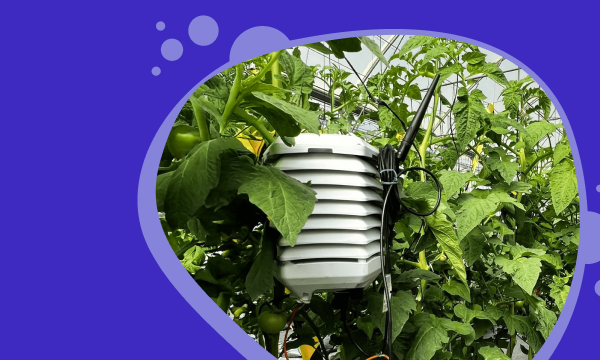
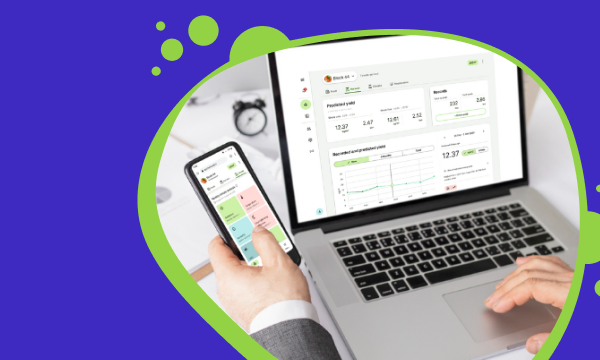
Using FarmRoad’s climate tools and alert system, they received early warnings based on real-time monitoring along with clear instructions on how to respond. When humidity dropped below 40% for more than an hour, the system alerted the team to activate misters and adjust pot drainage. When temperatures spiked above ​​40 degrees Celsius, it prompted them to stop fertilization and increase watering.

For more labour-intensive tasks, such as adding shade screens or removing plastics, the grower relied on hyperlocal climate forecasts to guide their actions based on actual conditions inside the tunnels.

While the interventions were simple, what mattered was timing

In increasingly unpredictable conditions, even a few hours of lead time can mean the difference between a healthy crop and a lost season.

Levelling the growing field 

Across the protected cropping sector, thousands of growers are sitting on untapped potential. 

What they need isn’t more automation for the sake of it. They need crop intelligence that gives them the insights to make strategic and confident decisions about growing their crops.

With FarmRoad, WayBeyond is helping protected cropping growers turn raw environmental and plant data into timely, practical decisions.

And our new AI-agronomy app, GrowPilot, is delivering weather insights for open field growers, and alerting them days in advance to climate-driven crop risks such as heavy rainfall, strong winds, or emerging plant stress.

These kinds of insights are becoming essential for coping with extreme weather events and maintaining consistent crop quality. They can even unlock productivity that once seemed out of reach. 

That’s how we begin to level the growing field.